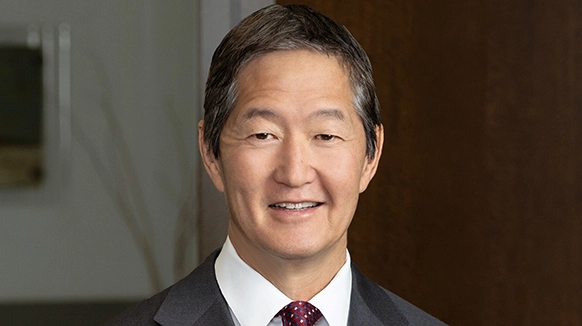
In two recent end-of-year IPWatchdog articles, Haynes Boone Partners Tom Chen and Jeff Morton shared their perspectives on what 2026 may bring for Intellectual Property law.
Chen outlined his IP wishes, including why eliminating Section 101 – and relying instead on traditional patentability standards – could help unlock greater innovation. Morton offered his prediction for the new year, anticipating continued guidance from the USPTO aimed at clarifying AI-related subject matter eligibility.
Chen
“I wish for much more clarity on 101 that is more objective than subjective (not so wild). I would be happy with getting rid of 101 (much wilder) and determining patentability solely on 112, 102, and 103. To moderate that a bit, maybe some guardrails that address main reasons that 101 was enacted, such as not being able to obtain patents (i.e., monopolies) on core or fundamental ideas that would prevent others from innovating based on the core or fundamental ideas. Even then, if innovations are based on a fundamental idea, they should be patentable if new and not obvious in view of the fundamental idea and prior art.”
Morton
“A prediction on the IP front is that there will be continued USPTO policy clarification with respect to AI and subject matter eligibility. The USPTO recently (December 4-5, 2025) issued three memoranda that focused on subject matter eligibility under 35 U.S.C. § 101. These updates purport to reflect USPTO Director Squires’ desire to recognize and promote artificial intelligence (AI) innovation, to reign in overbroad Section 101 rejections, which have impacted America’s leadership in AI innovation. It is reasonable to presume that further guidance will come from the USPTO on these AI/Section 101 issues.”
Read the full articles from IPWatchdog featuring Chen here, and featuring Morton here.