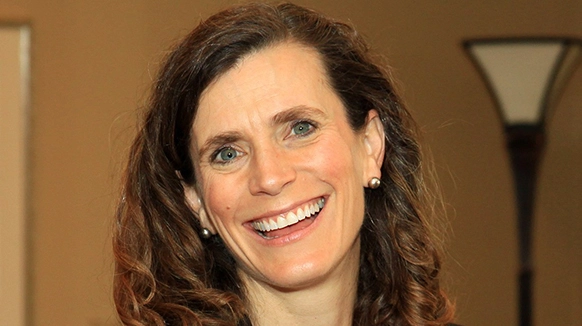
In an interview with The Texas Lawbook, Haynes Boone Counsel Catherine Robb reflected on her path to First Amendment law, her family’s legacy of public service and her recent work defending free expression in Texas.
Read an excerpt below.
What trends have you seen in defamation cases and the parties who are bringing them?
It’s always sort of feast or famine. I think a lot of people experience that in litigation generally, but I think especially in the area of defamation. I think you see, sometimes you sort of see things in threes, or you see sort of the same things all kind of come up at once. I don’t know if those people are influenced by other cases or incidents, but it continues to be busy. That is the blessing and the curse, I guess, is that we are never lacking for something to do.
I think they go through phases and are probably getting busier as things heat up in our society, generally. I think the big thing is, there are so many more ways people can communicate and get their speech out, in a sense. For years the defamation cases were, at least the stuff we would do in terms of the media, were really print and broadcast. And now you see so many new avenues for content to be distributed and new ways for people to speak. Depending on the medium people are in, especially in the media industry, people are more or less thoughtful about what they communicate prior to doing so. But I think within a lot of our clients, you always want to make sure people remember those same standards, however they’re communicating.
It seems like more and more defamation cases have a strong political side to them. Are you seeing this?
We really see things across the board — when people feel that someone has said something that they are unhappy about, they will sue. … I think you certainly see more heated rhetoric in the political arena, as people are speaking out more and more on all sides of an issue.
Do the out-of-court settlements by CBS and other TV networks have any long-term impact on media litigation?
I think they do in that they make plaintiffs more interested in suing, because they sort of think there’s something more going on. I think in Texas, we have a really strong anti-SLAPP law, which is great. Part of the benefit of that is being able to get cases dismissed at an early stage where they’re really just being filed to either try to prevent speech or punish speech.
I think the more you have people think that that’s a viable option — that if I can sue whatever organization it is or whatever person it is to quiet them or perhaps to get some sort of settlement or perhaps to prevent them from doing that in the future — that just ramps all of that up. We’re lucky here that we have such a good anti-SLAPP law, and we can sort of, early on, distinguish those cases that have merit and those that don’t. But there’s a wild landscape of cases and decisions being made. … I think there are people who are always going to try to figure out “Where do I fit into this and how can I use this on either side to my advantage?”
To read the full article from The Texas Lawbook, click here.